Periodicals: print or digital?
The role of periodicals in corporate communication
In an age of fast-moving information, periodicals offer an opportunity to convey substantial content. They create space for stories that go beyond a quick tweet, allowing companies to demonstrate their stance and expertise. From customer magazines to employee publications, they are a tool for deepening relationships and building trust.
The value lies in the careful preparation and strategic placement of content. It's about more than just informing; it's about entertaining and inspiring. A well-crafted periodical becomes a lasting brand ambassador.
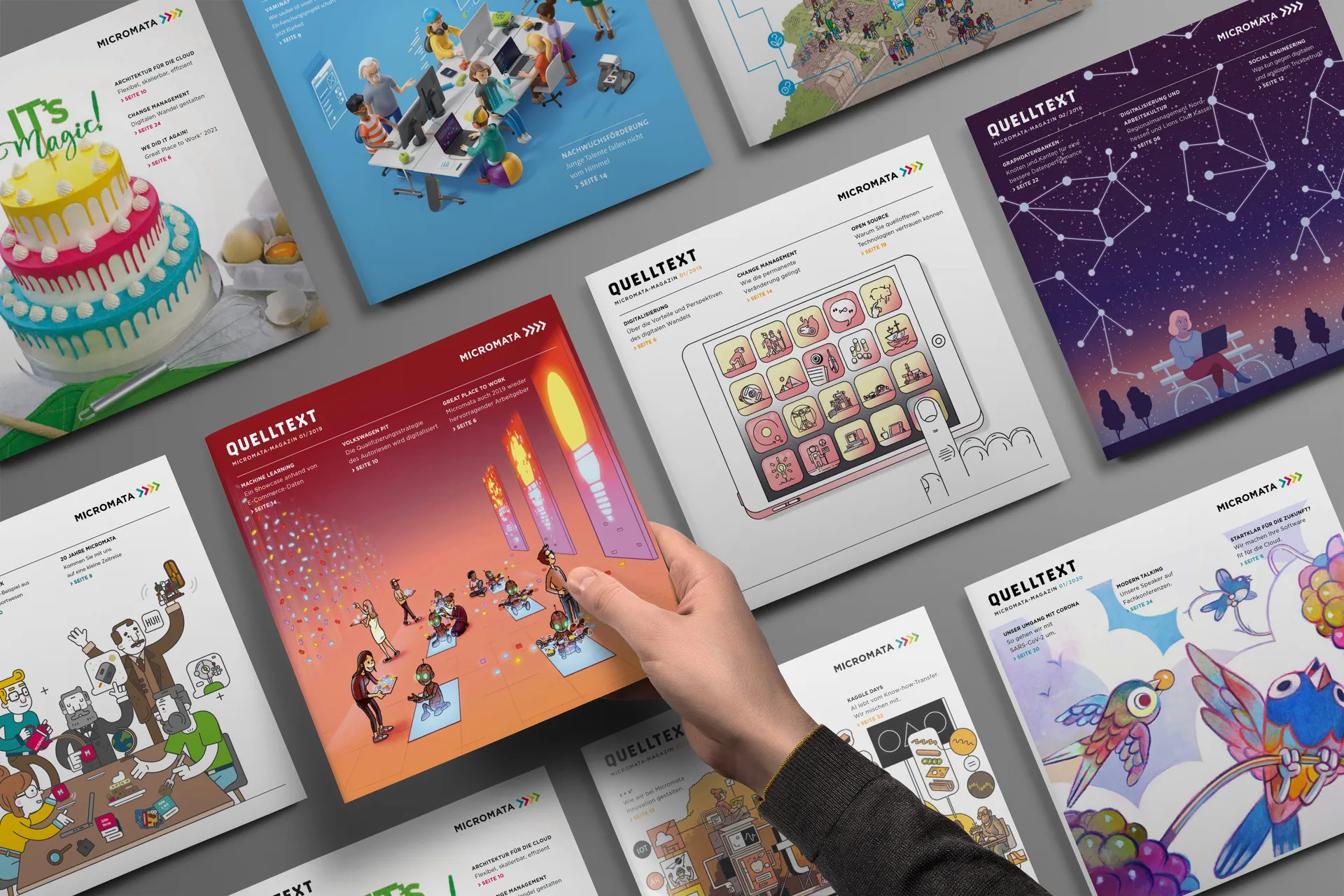
Content dramaturgy: from informing to entertaining
The conception of a periodical begins with content dramaturgy. This involves developing a narrative structure that captivates the reader and guides them through the topics. The balance between informative, entertaining, and brand-relevant content must be carefully struck.
We view each periodical as a stage for stories. Whether introducing new products, offering insights into corporate culture, or presenting specialist articles, the way content is presented determines its impact. A clear structure and a consistent theme are as crucial as the quality of individual contributions.
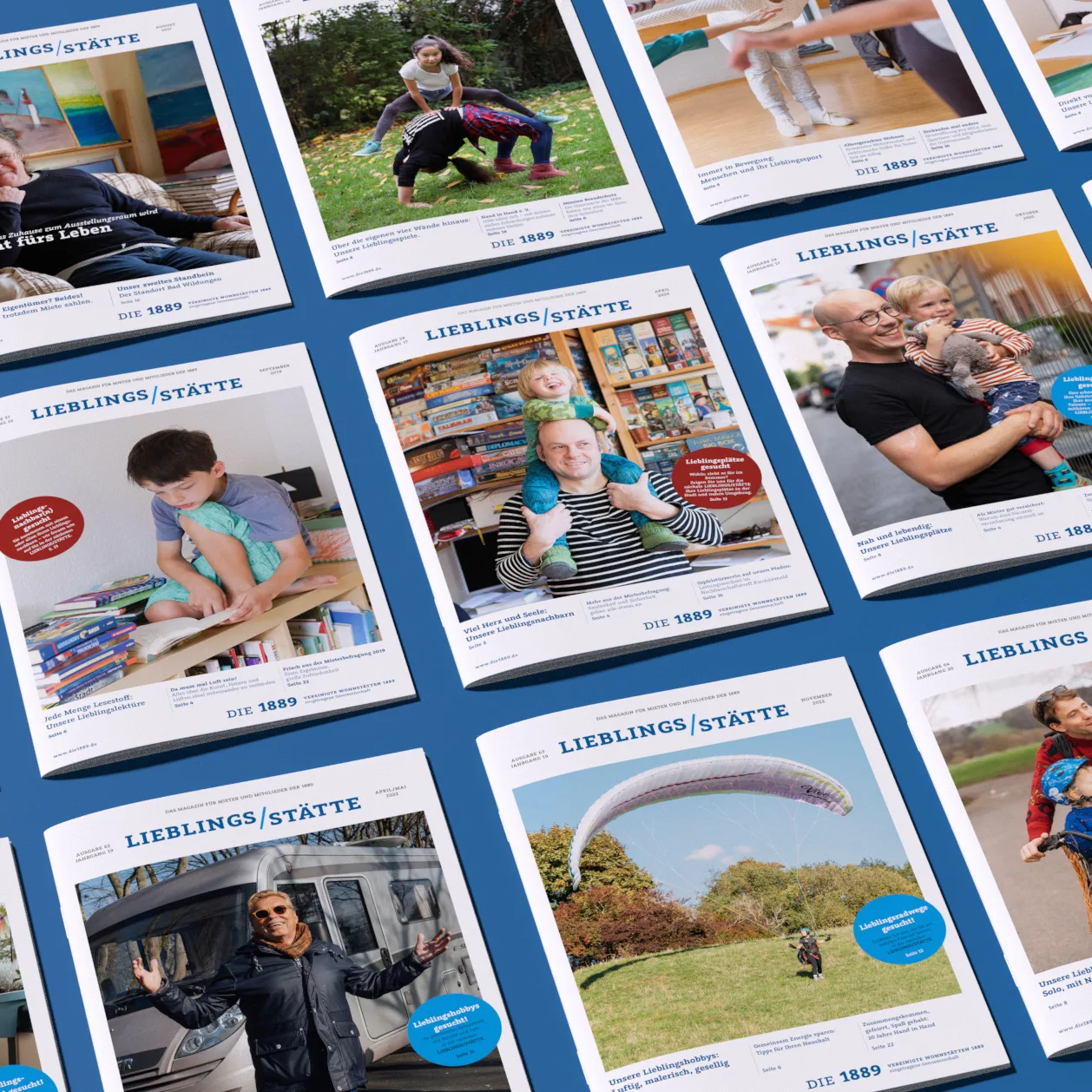
Design, structure and editorial: the interplay of disciplines
An effective periodical is the result of an interdisciplinary approach. The design must reflect the brand identity while enabling intuitive readability. The structure, from the cover to the imprint, follows a clear logic and supports the narrative flow of the content. Editorial and copywriting, often in collaboration with experienced journalists, ensures precise and engaging formulations. Photos and films complement the text, adding depth and authenticity to the stories. This interplay of visual design, structural clarity, and linguistic quality makes a periodical a valuable component of corporate communications.

Print or digital: the strategic decision
The choice between print and digital depends on various factors: the target audience, communication goals, and the desired reading experience. A printed magazine offers a tactile experience and a certain perceived value that is difficult to replicate in the digital space. It can provide a conscious break from screens and encourage deeper engagement with the content. Digital periodicals, on the other hand, offer advantages in terms of reach, interactivity, and timeliness. They can integrate multimedia elements and are available anytime, anywhere. The decision is not an either/or question, but a strategic consideration that often leads to a combination of both channels to optimally leverage their respective strengths. We help you develop the right strategy for your corporate media.
Your contact